
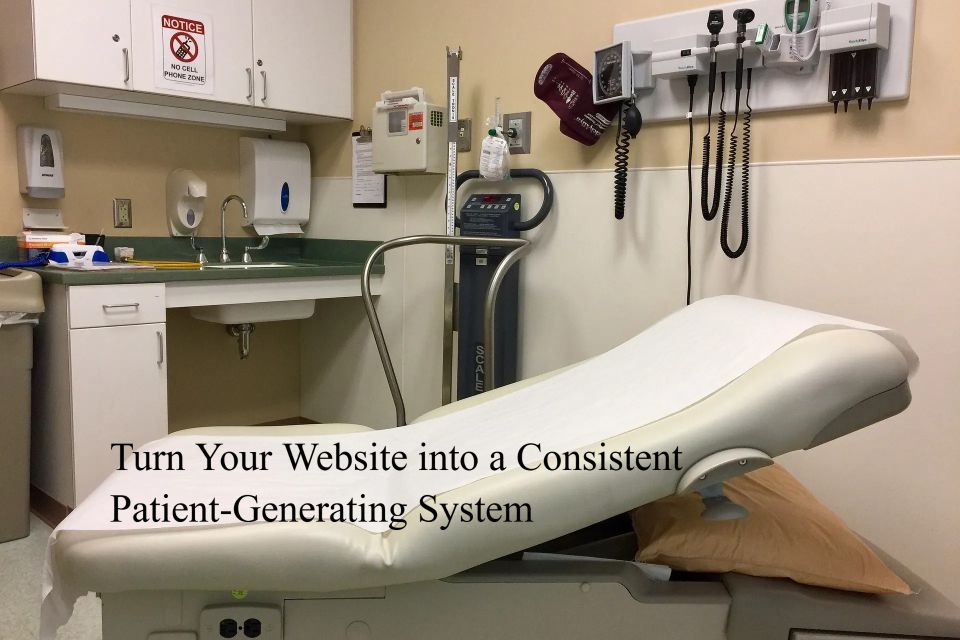
We design medical websites that build trust, increase bookings, and grow your practice.
Today’s patients rarely choose a doctor without first doing research online. Before scheduling an appointment, many people search Google to compare physicians, read reviews, and learn about available services. In many cases, a medical practice’s website becomes the first impression a potential patient has of the clinic.
Unfortunately, many healthcare websites were created years ago and have not been updated to reflect modern expectations. They may load slowly, look outdated, or fail to provide the information patients need when deciding whether to book an appointment.
A well-designed medical website is much more than a digital brochure. When built strategically, it becomes a powerful tool that helps physicians attract new patients, communicate their expertise, and simplify the process of scheduling appointments.
Effective doctor website design can help a medical practice:
- Build trust with potential patients
- Clearly explain available services
- Improve visibility in search engine results
- Increase online appointment bookings
- Provide helpful medical information to patients
Healthcare websites must accomplish several important goals simultaneously. Patients visiting a doctor’s website are often looking for quick answers to specific questions, such as:
- What services does this doctor provide?
- Is this physician experienced and qualified?
- Does the clinic accept new patients?
- How can I schedule an appointment?
Because healthcare decisions involve personal wellbeing, trust is a critical factor. A well-structured medical website must communicate professionalism, credibility, and compassion.
An effective medical website design strategy typically includes:
- Clear service pages explaining treatments or specialties
- Physician profile pages highlighting credentials and experience
- Online appointment request forms
- Patient testimonials and trust signals
- Easy navigation and mobile-friendly design
Certain website features consistently perform well for healthcare providers. These features help guide visitors from initial interest to scheduling an appointment.
Mobile-Friendly Design
Many patients search for healthcare providers on their smartphones. A doctor’s website must load quickly and display properly on all devices.
Mobile-friendly design also improves rankings in Google search results, making it an essential part of medical website SEO.
Each treatment or specialty offered by the practice should have its own dedicated page explaining:
- What the treatment involves
- Who it helps
- What patients can expect
Patients want to know who will be providing their care. Detailed physician profiles should include:
- Medical education and training
- Board certifications
- Years of clinical experience
- Areas of specialization
A doctor’s website should make it simple for patients to schedule appointments. This can include:
- Online appointment request forms
- Prominent phone numbers
- Clear calls to action encouraging visitors to book visits
Patients expect websites to load quickly. Slow websites frustrate visitors and may cause them to leave before learning about the practice.
Optimizing website speed improves both patient experience and search engine rankings.
Many physicians underestimate how much their website influences patient decisions. A professionally designed website can significantly improve the practice’s ability to attract and retain patients.
Improved Search Visibility
Search engine optimization helps medical practices appear in Google results when patients search for healthcare services in their area.
For example, properly optimized pages can rank for searches such as:
- doctor near me
- primary care physician
- dermatology clinic
- pediatric doctor appointment
A modern website communicates professionalism and attention to detail. When patients compare multiple doctors, the website often plays a major role in which provider they choose.
Well-placed calls to action, clear service explanations, and simple appointment forms can dramatically increase the number of new patient inquiries.
Providing helpful information about treatments, conditions, and procedures builds trust and positions the physician as a knowledgeable authority.
There are several design principles that consistently improve patient engagement and conversion rates.
Use Patient-Friendly Language
Medical terminology can be confusing for patients. Websites should explain services in simple language that visitors can easily understand.
Instead of focusing only on the practice, the website should emphasize how treatments improve patients’ health and wellbeing.
Healthcare websites benefit from including credibility elements such as:
- patient testimonials
- professional affiliations
- certifications and awards
- years of experience
Reputation Management
Most professionals don’t realize how many clients they lose due to a weak or unmanaged online reputation. Even one negative review or inconsistent information can create doubt and cost you opportunities. Reputation management helps control your digital presence, ensuring that when potential clients search for your services, they find trust, authority, and confidence—making it easier for them to choose you.
Phone numbers, appointment forms, and contact details should be clearly visible throughout the website so patients can easily reach the practice.
Conclusion
Your website should do more than provide information—it should consistently bring in new patients. If your current site isn’t converting visitors into appointments, we can help. Our budget-friendly web design for professionals focuses on trust, compliance, and patient conversion. With our affordable website design, your practice can stand out and grow with confidence.
👉 Book a free strategy call today and see how we can turn your website into a patient-generating system.
Website Design Packages for Doctors
Many physicians assume that professional website design requires a large marketing agency budget. However, high-quality medical websites can often be created at much more affordable price points.Below are typical pricing options for doctor website design services.
Ideal for individual physicians or small clinics establishing an online presence.
Includes:
- Up to 5 professionally designed pages
- Mobile-friendly responsive design
- Contact form for patient inquiries
- Basic SEO setup
- Fast-loading website performance
Best for established practices looking to attract more patients online.
Includes:
- Up to 10 custom-designed pages
- Service or treatment pages
- Physician profile pages
- Conversion-optimized appointment forms
- On-page SEO optimization
- Website performance optimization
Price: $1,800 – $2,500
Designed for clinics that want to compete aggressively online and attract a steady flow of new patients.
Includes:
- 15+ pages of custom website design
- Multiple treatment or specialty pages
- SEO-optimized blog setup
- Advanced conversion optimization
- Online appointment scheduling integration
- Speed and performance optimization
Price: $3,000 – $4,500
Frequently Asked Questions About Doctor Website Design
How much does a medical practice website cost?
The cost of a medical website depends on the number of pages and features required. Basic websites typically start around $900, while more advanced websites with SEO and appointment systems may cost several thousand dollars.
Most medical websites can be completed within two to four weeks depending on the number of pages and the availability of practice information and images.
Yes. Search engine optimization helps patients find your practice when searching online for healthcare services. Even basic SEO improvements can significantly increase patient inquiries.
Most effective doctor websites include:
- Home page
- Services or treatment pages
- Physician profile pages
- About the practice page
- Contact or appointment page
For many patients, a medical website is the first introduction to a healthcare provider. A professional design, clear messaging, and simple appointment process can dramatically improve how effectively a practice attracts new patients.
Investing in a well-designed website allows physicians to strengthen their online presence, educate patients, and make it easier for people to access the care they need.
A strategic doctor website design not only enhances credibility but also helps ensure that patients searching online can easily find and connect with your practice.